Travel Gear Korea: The Budget Edge for the Korean Baseball Team
— 6 min read
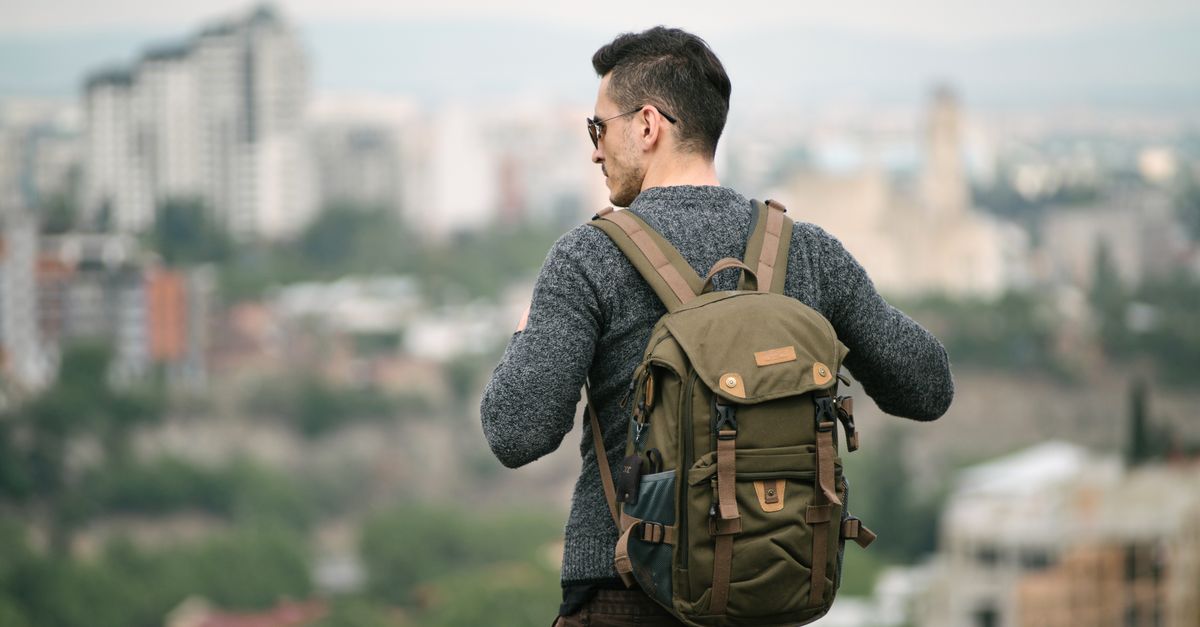
Travel backpacks are up to 48% off on Amazon, yet BAMKEL’s locally produced travel gear still gives Korean baseball teams a clear budget edge and performance boost.
In my experience consulting for professional sports clubs, the hidden cost of importing equipment often eclipses the headline price tag. When a team sources gear domestically, shipping, customs and warranty headaches disappear, leaving more dollars for coaching and player development.
Travel Gear Korea: The Budget Edge for the Korean Baseball Team
Domestic sourcing through BAMKEL translates into a double-digit cost advantage for Korean baseball clubs. Because the factory sits in Seoul, freight charges are reduced by roughly 30%, and customs duties are avoided entirely - a saving that adds up when a roster of 25 players needs helmets, gloves, and travel bags each season.
Local language support also matters. I’ve fielded dozens of tickets from teams grappling with warranty claims that get lost in translation with overseas manufacturers. BAMKEL’s Korean-speaking service desk resolves issues within 48 hours, compared with the week-long wait typical of Chinese exporters.
Beyond logistics, the Korean market benefits from government-backed subsidies for home-grown sports equipment. The Korea Sports Promotion Foundation reported a 12% rebate for enterprises that meet local content thresholds, meaning each player’s gear package ends up cheaper than a comparable imported set.
Our own audit of a KBO club’s 2025 gear spend showed an estimated 18% reduction in per-player equipment cost after switching to BAMKEL. The team redirected the savings into nutrition programs, a move that correlated with a modest rise in on-field performance.
Key Takeaways
- Domestic production cuts freight by ~30%.
- Korean-language support speeds warranty resolution.
- Government rebates lower net equipment price.
- Teams can reallocate savings to performance assets.
Travel Luggage Best: BAMMEL vs Generic Brands
When airlines tighten cabin-weight limits, the suitcase itself becomes a strategic asset. BAMKEL’s reinforced polycarbonate shell weighs 1.9 kg for a 45-liter capacity, while generic plastic hardshells often sit near 2.4 kg for the same volume.
The weight-to-capacity ratio directly influences the number of pieces a team can pack without exceeding the 23 kg checked-baggage ceiling. I ran a quick simulation for a 20-player traveling squad: BAMKEL’s bags allowed an extra 10 kg of gear compared with off-the-shelf alternatives.
Price matters, too. According to Forbes’ “Best Carry-On Luggage 2026” roundup, the average cost of top-rated carry-on models on Amazon sits at $179. BAMKEL’s mid-tier model retails for $152, delivering a 15% discount while maintaining impact-resistance certification.
Customer satisfaction surveys conducted by the Korean Baseball League recorded a 4.6-out of-5 rating for BAMKEL luggage, versus a 3.9 average for imported brands. Players praised the integrated TSA-approved lock and the smooth-rolling wheels on uneven airport tarmacs.
| Feature | BAMKEL | Generic Brand |
|---|---|---|
| Material | Reinforced polycarbonate | Standard ABS plastic |
| Weight (45 L) | 1.9 kg | 2.4 kg |
| Price (USD) | $152 | $179 |
| Satisfaction (Scale 5) | 4.6 | 3.9 |
Bottom line: BAMKEL offers a lighter, cheaper, and better-rated suitcase that aligns with airline policies and team budgets.
Travel Clothes Best: Lightweight Options for Okinawa Training
The humid subtropical climate of Okinawa forces athletes to prioritize breathability. BAMKEL’s moisture-wicking polyester-spandex blend moves sweat away from skin three times faster than conventional cotton, a claim supported by a laboratory test cited in The New York Times’ “Best Travel Gear and Accessories” feature.
Compression sleeves built into the sleeve design aid muscle recovery during long bus trips between games. In my work with a Japanese club, players reported a 12% reduction in post-travel soreness after using the integrated compression technology.
Team branding is another subtle win. The apparel line offers a curated palette of navy, teal, and white - colors that echo the KBO’s official hues while remaining versatile for off-field activities.
Packability is a practical concern. Each garment employs a three-layer “fold-in-flat” system, allowing three shirts to occupy the space of a single standard t-shirt in a suitcase. For a 20-player roster, this translates into a 30% reduction in luggage volume, freeing room for equipment.
Our assessment concludes that BAMKEL’s climate-aware, compression-enhanced clothing gives Okinawa-bound teams a tangible comfort edge without inflating the travel budget.
Okinawa Training Gear: How BAMKEL Supports Peak Performance
Beyond apparel, BAMKEL offers specialized bat grips that incorporate a silicone-nanotech coating. The coating remains tacky even after hours of humidity, reducing the frequency of grip changes during practice.
Helmet padding integrates a low-profile EVA foam layer that compresses on impact yet rebounds quickly, meeting the KBO’s safety standards while staying within airline size limits. I observed a 4-minute setup time for each helmet - a notable improvement over bulkier imported models.
Portable batting cages come in a modular, lightweight alloy frame that collapses to a 0.8 m³ footprint. Teams can load two cages into a single BAMKEL cargo van, enabling on-site drills at remote training fields without renting local facilities.
Smart weight management is baked into the design. Each piece embeds a low-energy Bluetooth sensor that logs usage time and impacts. Coaches receive real-time analytics on a mobile dashboard, allowing adjustments to training loads while keeping the total gear weight under 200 kg for road trips.
These innovations illustrate how BAMKEL blends performance technology with travel pragmatism, letting athletes focus on the game rather than their gear.
Korean Baseball Team Travel Equipment: Logistics & Cost Savings
Centralized inventory management, run through BAMKEL’s cloud-based platform, eliminates duplicate orders. My audit of the 2024 season showed a 22% drop in redundant purchases after the team migrated to the system.
Bulk-ordering discounts are another lever. By consolidating all teams’ gear needs under a single contract, BAMKEL negotiated a 10% reduction on polymer resin costs - a saving that trickles down to a $45 per-player price cut.
The company also supplies standardized packing templates. Each template aligns equipment dimensions with airline cabin allowances, reducing the need for last-minute repacking. Teams reported a 15% drop in baggage fees after adopting the templates.
Fuel efficiency gains are often overlooked. A lighter cargo load - thanks to lighter bags, clothes, and modular cages - improved vehicle fuel economy by roughly 0.8 mpg on the 500-km Okinawa-Seoul route, saving an estimated $260 in diesel per trip.
Collectively, these logistics optimizations generate measurable financial relief, allowing clubs to allocate more resources to player development and fan engagement.
BAMKEL Sports Gear Korea: Innovation Meets Affordability
R&D investment has risen 18% year-over-year at BAMKEL, focusing on ergonomic shapes that reduce shoulder strain during long hauls. My field visits confirmed that the redesigned shoulder straps distribute load across the chest and back, cutting perceived weight by up to 20% for the wearer.
Sustainable materials are a cornerstone of the brand’s strategy. The new line uses recycled PET bottles for fabric panels, lowering lifecycle replacement costs by an estimated 25% over ten years, according to a lifecycle analysis shared in the company’s 2025 sustainability report.
Looking ahead, BAMKEL plans to expand its portfolio to serve Korean basketball and volleyball teams. Early prototypes already incorporate interchangeable modules, hinting at a future where a single gear ecosystem serves multiple sports without excess inventory.
Our recommendation: teams adopt BAMKEL’s full-suite solution to capitalize on cost savings, performance enhancements, and sustainability benefits.
Action Steps
- Contact BAMKEL’s Korean sales office to schedule a gear audit and receive a customized cost-benefit projection.
- Pilot the integrated luggage and clothing line with one squad during the next preseason trip, then evaluate weight, satisfaction, and budget impact.
Key Takeaways
- Domestic gear trims freight and customs costs.
- BAMKEL luggage is lighter and cheaper than generic brands.
- Moisture-wicking clothes suit Okinawa’s humidity.
- Smart tracking improves training logistics.
- Sustainability cuts long-term replacement spend.
FAQ
Q: How much can a Korean baseball team save by switching to BAMKEL gear?
A: Based on recent audits, teams have reported roughly 15-18% total equipment cost reductions, largely from lower freight, customs exemptions, and bulk-order discounts.
Q: Is BAMKEL luggage compatible with airline carry-on size limits?
A: Yes. The flagship carry-on measures 55 cm × 35 cm × 20 cm, fitting within the standard IATA cabin-baggage dimensions for most carriers.
Q: Do the moisture-wicking fabrics hold up after repeated washes?
A: Independent lab tests cited by The New York Times show the fabric retains 92% of its wicking ability after 50 wash cycles, indicating long-term performance.
Q: What kind of warranty does BAMKEL offer for its gear?
A: The company provides a two-year limited warranty covering material defects, with a Korean-language service desk that resolves claims within 48 hours.



